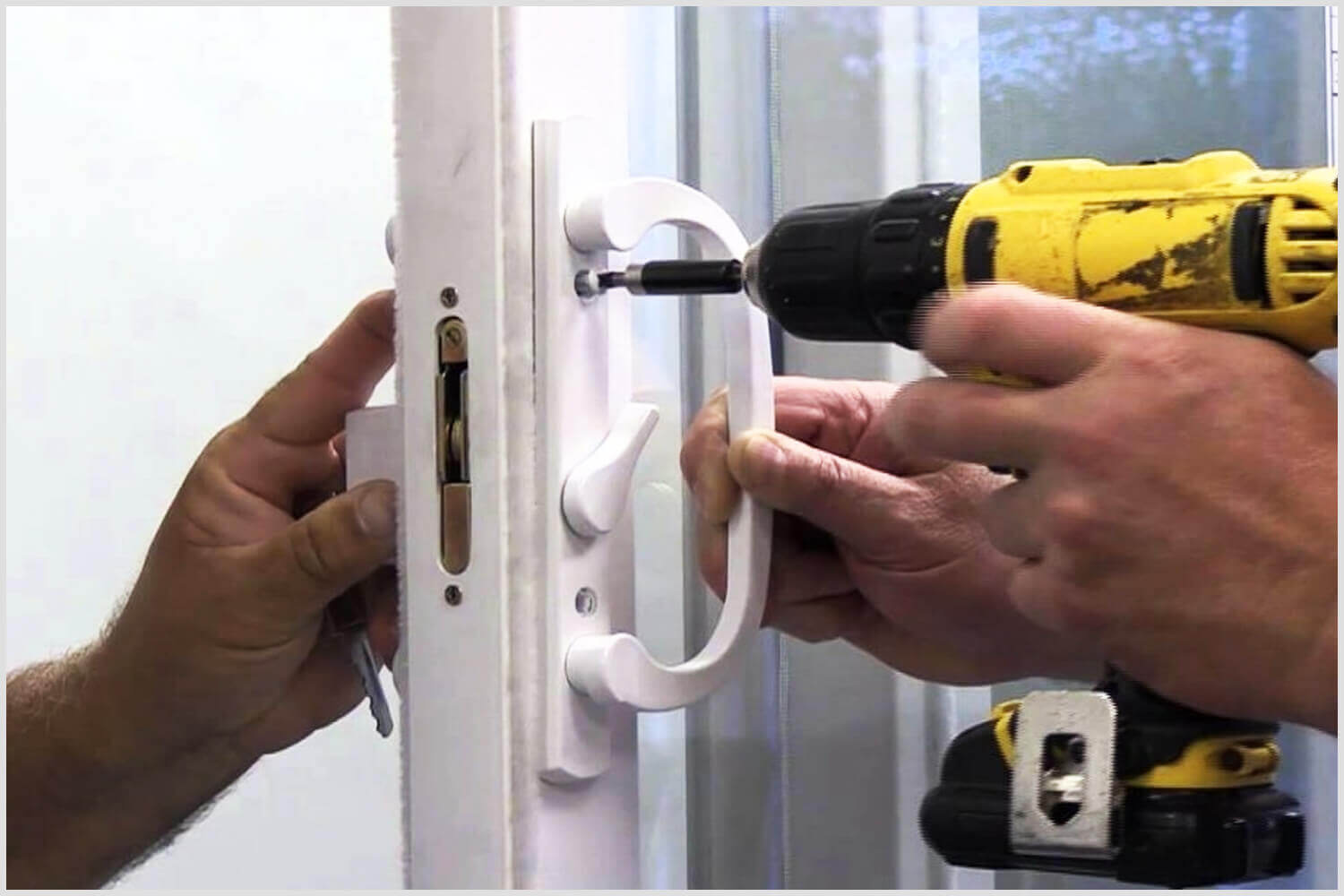
Understanding Window Sealing: A Comprehensive Guide
Window sealing plays a crucial function in making sure energy efficiency, convenience, and aesthetic appeal in residential and commercial buildings. While many house owners focus on aesthetic appeals when it comes to windows, understanding the importance of appropriate sealing can result in significant cost savings in energy costs, enhanced indoor air quality, and improved general comfort. This post will delve into the various elements of window sealing, including its types, benefits, and maintenance ideas, in addition to common concerns.
Tabulation
- Introduction
- Significance of Window Sealing
- Types of Window Sealing
- 3.1 Weatherstripping
- 3.2 Caulking
- 3.3 Window Films
- 3.4 Expanding Foam
- Benefits of Proper Window Sealing
- Indications Your Windows Need Sealing
- How to Seal Windows Effectively
- 6.1 Tools and Materials Needed
- 6.2 Step-by-Step Guide
- Maintenance and Care
- FAQs
- Conclusion
1. Introduction
Window sealing describes the process of filling gaps and fractures around windows to avoid air leak, moisture intrusion, and sound pollution. It is an important element of home and building maintenance that contributes to a building's general efficiency.
2. Value of Window Sealing
Correct window sealing is essential for various factors:
- Energy Efficiency: Seal spaces to decrease heating & cooling expenses.
- Comfort: Maintain a stable indoor temperature level and eliminate drafts.
- Wetness Control: Prevent water from getting in, which can trigger mold and structural damage.
- Noise Reduction: Reduce outdoors noise levels.
3. Kinds Of Window Sealing
Different types of window sealing are offered, each with specific applications and advantages.
3.1 Weatherstripping
Weatherstripping is a flexible sealing material used to window sashes or frames to block air leaks. Typical materials include vinyl, felt, and foam tape.
3.2 Caulking
Caulking is a more long-term option for sealing gaps around windows. House Window Doctor involves a silicone or acrylic sealant, which can stand up to outside temperature levels and conditions.
3.3 Window Films
Window films are another alternative that can secure against UV rays while likewise assisting in insulation. These movies can be applied to window panes and function as a barrier to temperature changes.
3.4 Expanding Foam
Expanding foam works for filling larger gaps and cavities. It requires mindful application, as it expands significantly and can create a mess if not utilized properly.
4. Advantages of Proper Window Sealing
Buying quality window sealing deals a number of advantages:
- Lower Energy Bills: Enhanced insulation lowers the workload on heating and cooling systems.
- Increased Comfort: A well-sealed home is less vulnerable to drafts and temperature level fluctuations.
- Extended Window Lifespan: Proper sealing avoids wetness damage to window frames and sills.
- Enhanced Indoor Air Quality: Sealing gaps keeps out dust, pollen, and toxins.
5. Indications Your Windows Need Sealing
Being able to recognize the signs of poor window sealing can save homeowners from greater energy expenses and pain. Look for:
- Drafts or cold areas near windows.
- Condensation or fogging between window panes.
- Fractures or noticeable gaps in the window frames.
- Increased energy expenses without a corresponding modification in usage.
- Outdoors sound intrusion.
6. How to Seal Windows Effectively
Sealing windows is a simple procedure that can be finished with some fundamental tools and materials.
6.1 Tools and Materials Needed
- Caulk or weather condition removing
- Caulking weapon
- Energy knife
- Cleaning solution and cloth
- Determining tape
- Foam for larger gaps (if required)
6.2 Step-by-Step Guide
- Examine the Windows: Check for visible spaces, cracks, or wear in existing seals.
- Clean the Area: Remove any dirt, dust, or old sealant from the window frames.
- Step Gaps: Use a measuring tape to figure out just how much sealing product you will need.
- Cut and Apply Weatherstripping: Cut the weather removing to size and press it into place along the window sash.
- Use Caulk: For spaces, load the caulking gun with sealant and apply it uniformly along the joints.
- Smooth the Caulk: Use a damp finger or a caulk completing tool to smooth the caulk for a tidy line.
- Install Window Films (Optional): If using window films, follow the producer's guidelines for adhesion and application.
- Let it Cure: Allow the sealant to dry for the time defined by the item instructions.
7. Maintenance and Care
Regular maintenance can prolong the efficiency of seals:
- Inspect Annually: Check for indications of wear or damage a minimum of once a year.
- Clean Frames: Keep frames clean to prevent debris accumulation.
- Reapply as Necessary: Over time, weather stripping and caulk may require replacement.
8. Frequently asked questions
Q1: How frequently should windows be sealed?
Ideally, windows need to be examined annually, and sealing ought to be reapplied as needed.
Q2: Can I seal windows in winter?
Yes, numerous sealing items can be applied in colder weather. Nevertheless, make sure the products are ranked for low temperatures.
Q3: Is window sealing a DIY project?
The majority of house owners can tackle window sealing with the right tools and products. However, those uncomfortable with heights or working on ladders might choose to hire professionals.
Q4: How can I inform if the sealant is working?
Look for air drafts and wetness after installation. Improved energy performance and a stable indoor temperature level show success.
9. Conclusion
Window sealing is an important element of home maintenance that adds to energy effectiveness, convenience, and total building stability. By comprehending the value of sealing, different sealing options, and correct maintenance, property owners can make informed options that improve their living environment. With the best technique, sealing windows can be a workable DIY job offering significant long-term benefits.
A proactive technique to window sealing not just assists in saving energy however also develops a more enjoyable and stable indoor atmosphere.